The Power of Biophilic Design
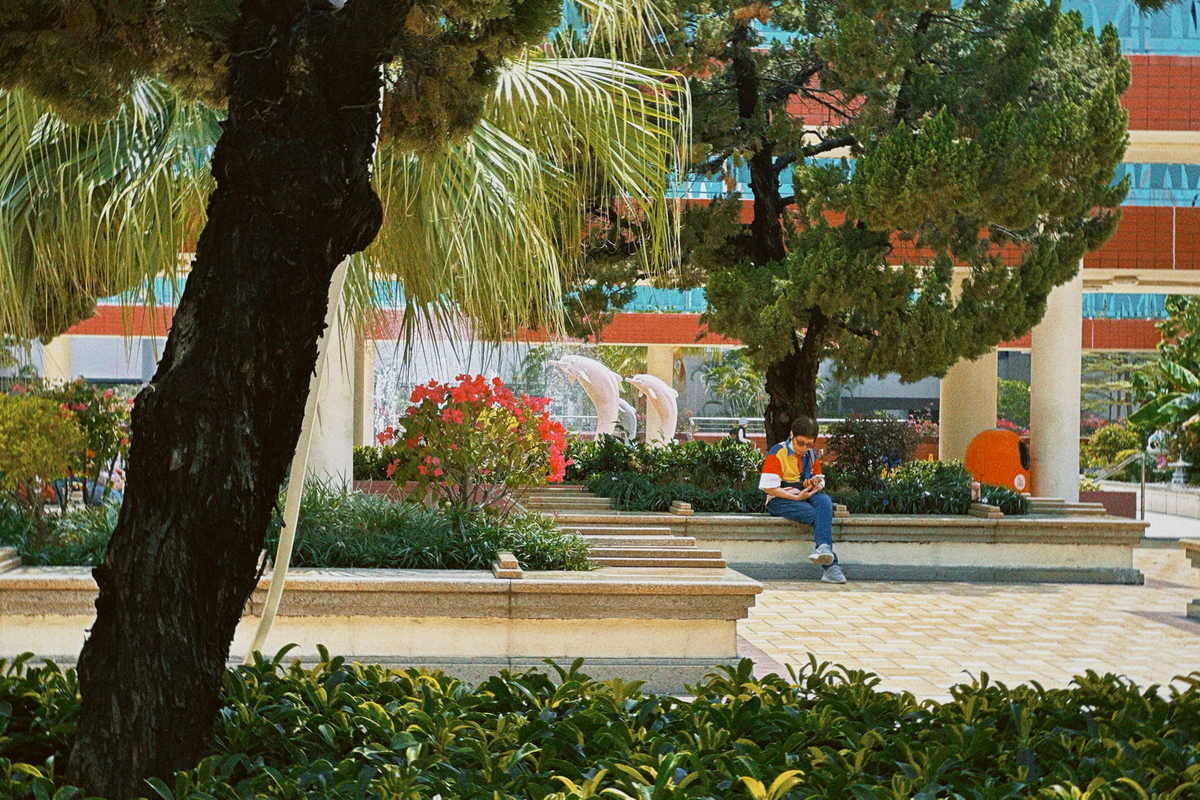
What can we learn from a city that is built to breathe?
Wandering through Hong Kong, you stumble on something unexpected - nature. Real, breathing, colourful nature.
Last weekend, that realisation hit me while exploring Tuen Mun Park. If you’re not familiar, Tuen Mun sits at the far end of the Tuen Ma line, tucked in the northwest corner of the map. It’s not exactly on the tourist trail and what I found there slowed me down to a halt.
Towering palms sway against a backdrop of mountain peaks. Elderly locals cruise model boats across a glassy lake, one capsizes and everyone rushes in with laughter and helping hands. Kids run wild in an adventure playground. Families meander through a reptile house, marvelling at the inhabitants inside.
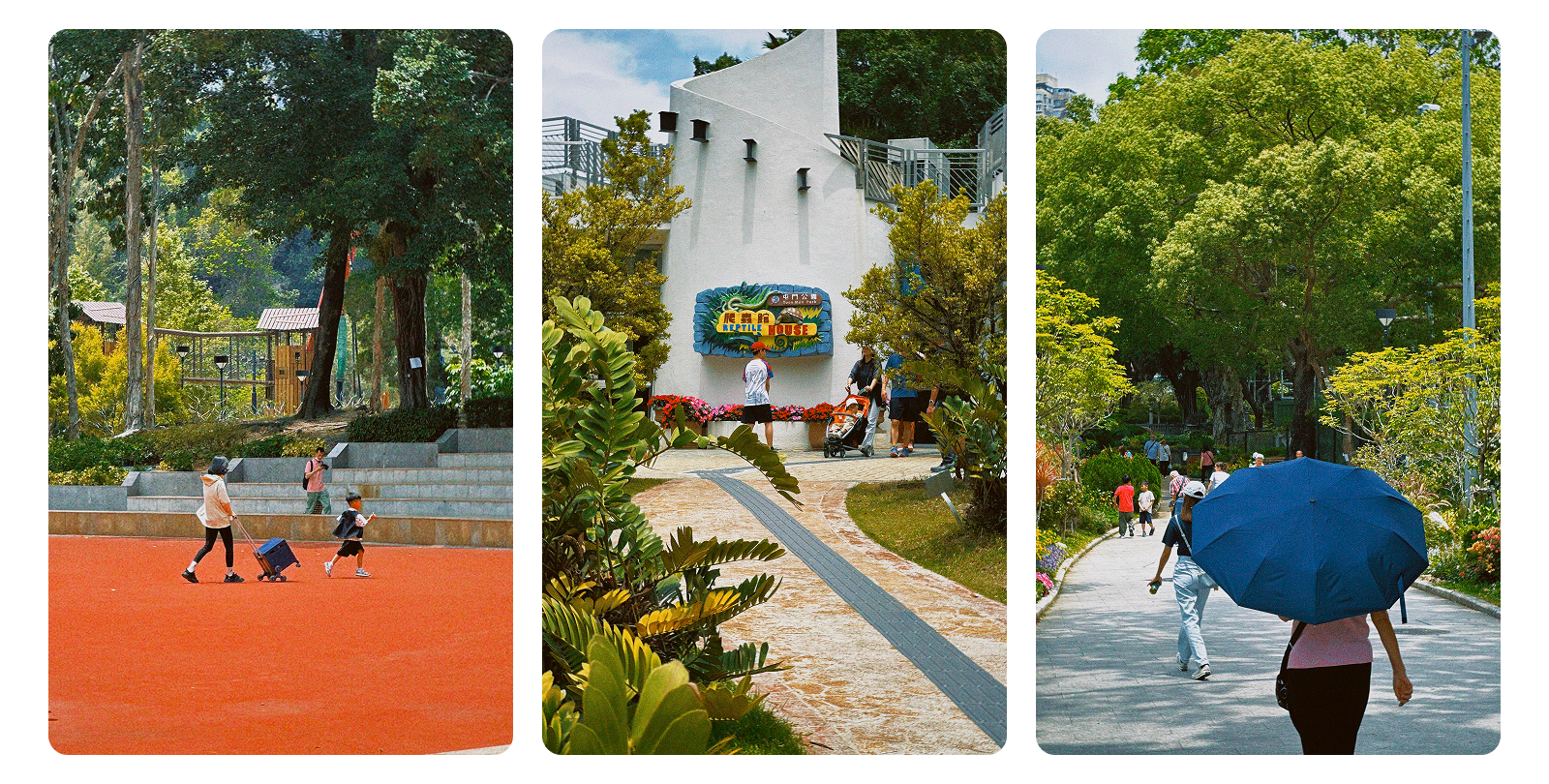
The place buzzes - not with traffic, but with life. Community. Learning. Play.
And that’s what struck me. This isn’t just a lucky patch of grass on the city’s edge like parks I have come to know. Tuen Mun Park is intentional. And in Hong Kong, it isn't alone.
A City Designed from Foresight and Unrest
To understand Hong Kong's modern day approach to city planning, you’ve got to wind back to the 1960’s.
Hong Kong was on the verge of rapid urban expansion. Concrete was pouring, towers were rising, and without someone to advocate for it - the natural world was at risk of vanishing beneath the bulldozers.
In 1965, Lee Merriam Talbot and Martha H. Talbot published their groundbreaking Conservation of the Hong Kong Countryside report. Their report didn’t just document the territory’s ecological riches—it warned of what would be lost without deliberate protection. It made the case that conservation wasn’t just about saving trees; it was about shaping the future of a liveable city. Liberating the citizens of Hong Kong from their tiny urban apartments and putting them back in contact with nature.
Between 1966 and 1967, the pressure pot of urbanisation that the Talbot's hinted towards was demonstrated to full effect as widespread unrest and poor labour conditions resulted in clashes, riots and bombings.
It was a turning point for many things in Hong Kong. Over the next decade the investment strategies for space shifted inline with the Talbot's report and focused on connecting people to nature. In 1973, then Governor Murray MacLehose emphasised the need to preserve natural areas for public enjoyment, stating,
"The mountains and the beaches are for the many what the golf course and the yacht are for the few."
The combined efforts of multiple departments, committees and advocates culminated in the enactment of the Country Parks Ordinance in 1976, providing a legal framework for the designation, development, and management of country parks and special areas. The man in charge of seeing the ordinance through, Edward Hewitt Nichols, spoke plainly about his long term thinking some 4 years prior;
If we are ready to pay the inevitable cost, then we can only determine the development of "how to limit urbanisation". At the same time, we must know that our next generation will rate our legacy in quality and quantity. I am sorry but I have to say that we used to only care about short-term economic benefits while ignoring that we will be criticised in the future.
By 1979, just three years later, Hong Kong had designated 21 country parks, covering approximately 40% of the territory's land area. These parks were established not only for nature conservation but also to provide recreational spaces and promote outdoor education for the public.
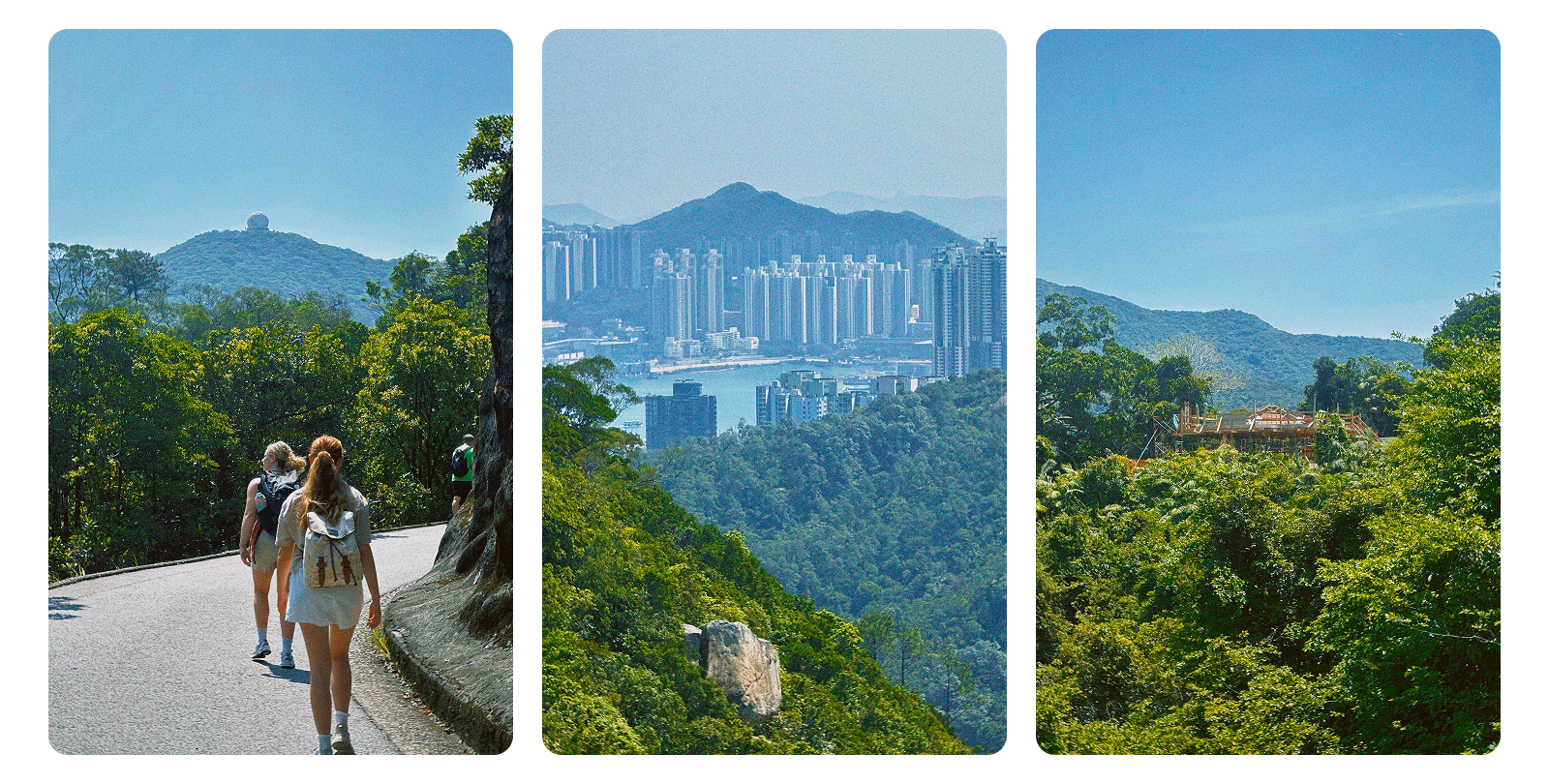
That decade and a half of advocacy, thought and action set a direction for the next 50 years of the city. It meant as Hong Kong grew up, and grew out - it did so alongside nature.
A City Designed to Breathe.
Today, Hong Kong isn’t just an urban jungle of glass and steel. Alongside the now 25 country parks (Among these, 19 were in line with Talbot's plan) - the vertical cityscape is a surprisingly green environment:
- 26 major parks
- Over 1,600 public parks, gardens, sitting areas, and playgrounds.
- And critically - 90% of residents live within 400 metres from a public park.
Intentional design to connect people to nature.
This thinking is still at the heart of Hong Kong's Green and Blue Space Conceptual Framework - a masterclass in clear, visual thinking from the Planning Department. It was submitted in 2016 by the department to influence the over-all Hong Kong 2030+ strategy - and maps out how to use land and water as more than just space.
The report refers to parks and green corridors as the “lungs of the city”. Not just for their beauty, but for what they give back: Air, energy, calm, connection.
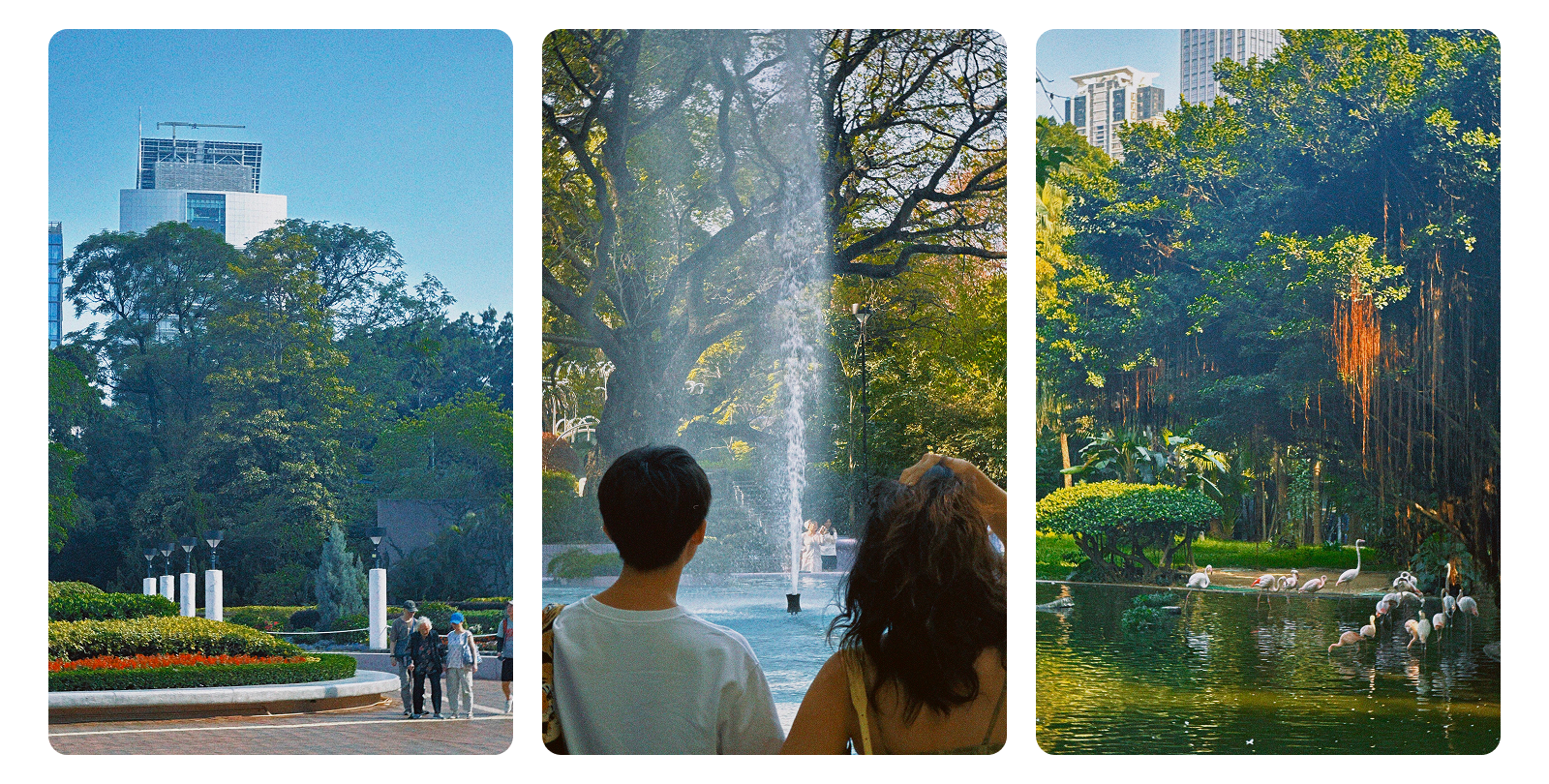
It laid out goals to connect parks to people, people to water, and nature to neighbourhoods. Not in pockets. But across the city like a living, breathing network.
It’s a bold reminder that a city isn’t just for surviving - it should be a place that supports our well-being. It is exactly what I was feeling in Tuen Mun park. In every open space you wander through here in Hong Kong.
As an approach, it is a shining example of Biophilic Design.
Biophilic What?
Biophilic Design sounds strange, but I assure you it’s not
It’s the idea that humans don’t just enjoy nature - we need it. Mentally, Physically. Creatively. So why not design for it?
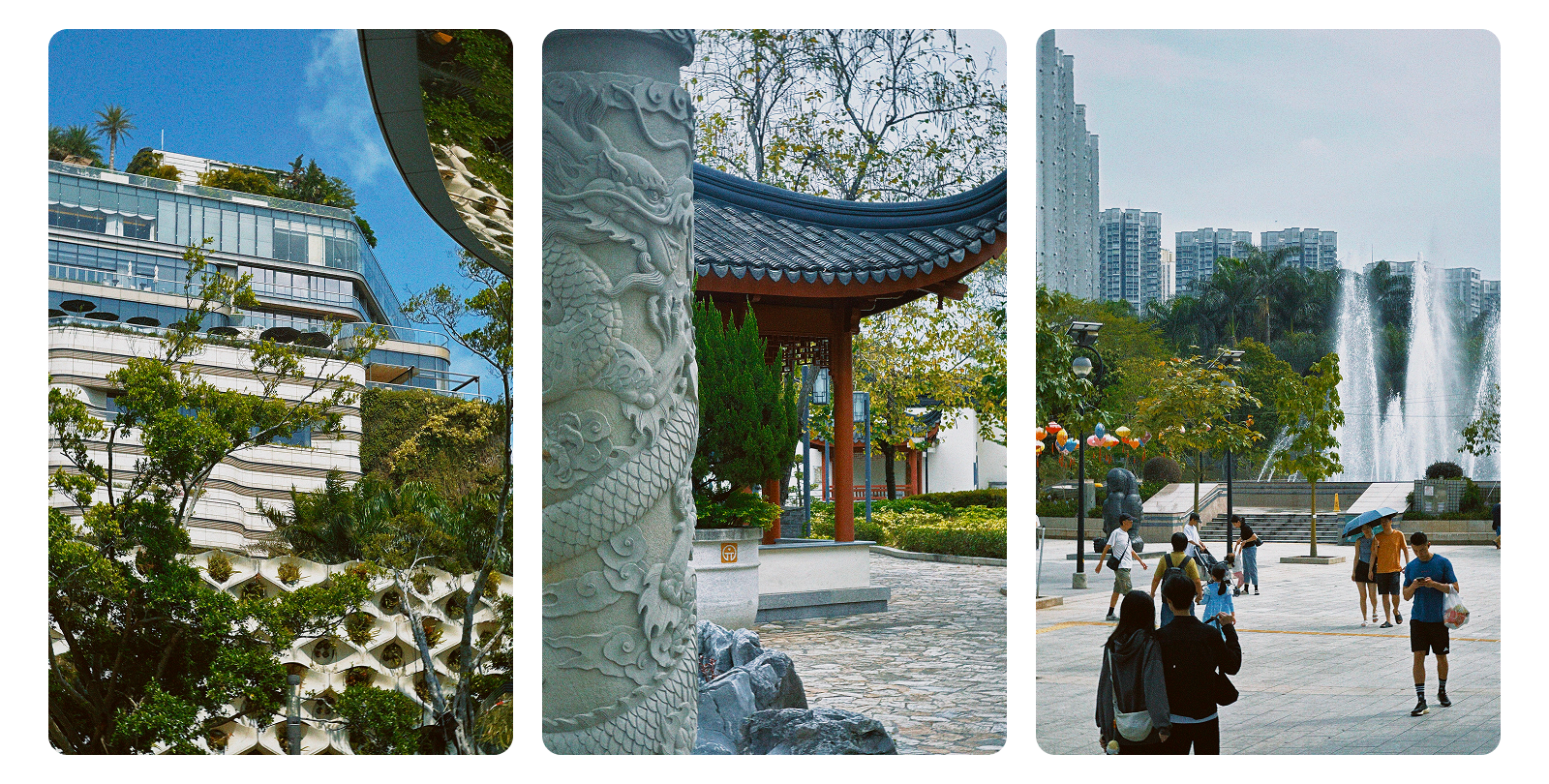
The outcomes of adopting Biophillic Design aren’t abstract. They’re measurable across many different applications and aspects to human life.
Studies around the world have shown Biophilic Design can:
- Boost mental health and reduce stress by up to 60%
- Increase retail sales by 12-15% in nature-integrated shopping areas
- Improve elder health, lowering blood pressure and increasing daily movement
- Enhance child development through imaginative and social play
It’s not just good for the soul - it’s smart economics.
Back to Tuen Mun: Parks Aren’t just for Play.
Why is all of this important? What does it all matter?
I didn’t go to the park to work. I went to get some air. To wander. To reset. But without trying I started thinking more clearly. Ideas connected. Words came easily. The noise in my head quieted down.
I wasn’t in an office. I wasn’t even trying to be productive. But in Tuen Mun Park? It turned out to be the best workspace I’ve had in years. I started seeking out more places to explore - to think - with this deeper connection to nature and it's been mentally liberating.
That’s not just a vibe - it’s more 'Biophilic' science at work.
Studies have shown that natural environments significantly boost creative thinking. In one famous study, participants scored 50% higher on creative problem-solving tasks after spending just a few days immersed in nature (source). Another found that workers with natural views from their desks showed higher level of innovation and job satisfaction (source).
Biophilic Design isn’t just about green walls and leafy aesthetics. It’s about tapping into something deeply human - our innate connection to nature - and using it to fuel how we feel, how we think and how we create.
It’s not surprising when you stop and reflect: When did your last big idea strike? Probably not under fluorescent lights.
How might we harness Biophillic Design?
This brought me to the end of my rabbit hole - one that made me reassess how I have studied and worked for my whole life - in literal boxes. Walls. Desks. Laptops. Hard surfaces constructed to house the creative process.
If what we have learned so far, especially that "Biophilic Design ins't just good for the soul - it's smart economics" - Surely where we work can be better.
What if we designed our workspaces the way Hong Kong designs its parks? Not just efficient. Not just functional. But alive.
What if we prioritised spaces that invites exploration, that encourages movement and wonder, that gives our brains room to stretch?
What if, instead of forcing innovation in boardrooms, we let it breathe under trees?
If Hong Kong can create spaces that nurture connection, health and joy - could we do the same for creativity and innovation?
I'm convinced - It’s time to rewild the way we work.