The bear that dominates Disney Asia.
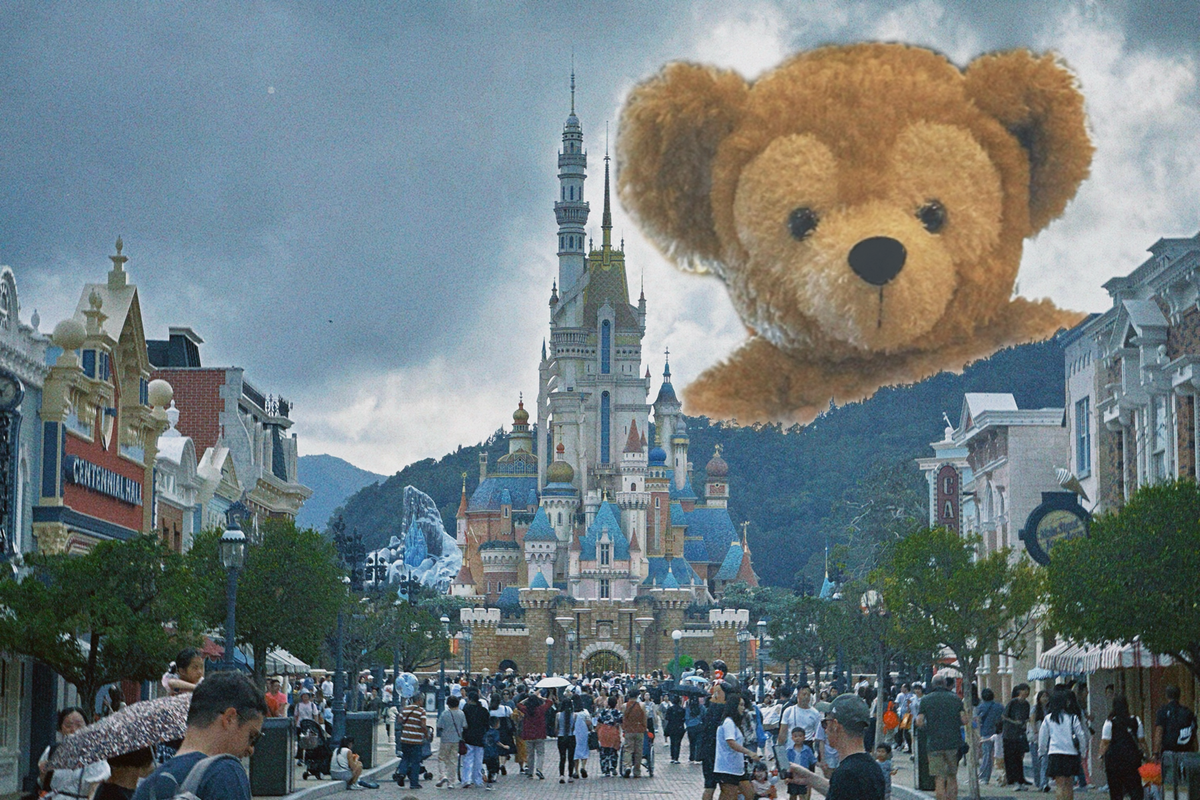
Step into Hong Kong Disneyland and it feels like you expect - ornate gardens, smiling faces, music in air, and an iconic storybook castle pulling your eyes down main street.
But here, there is something unique, and for me… different.
In the gardens of the park, tucked into store displays, murals, parades, shows, plushie pyramids… something unfamiliar dominates.
Not Mickey. Not Elsa. A teddy bear. Mickey’s teddy bear to be exact.
His name? Duffy.
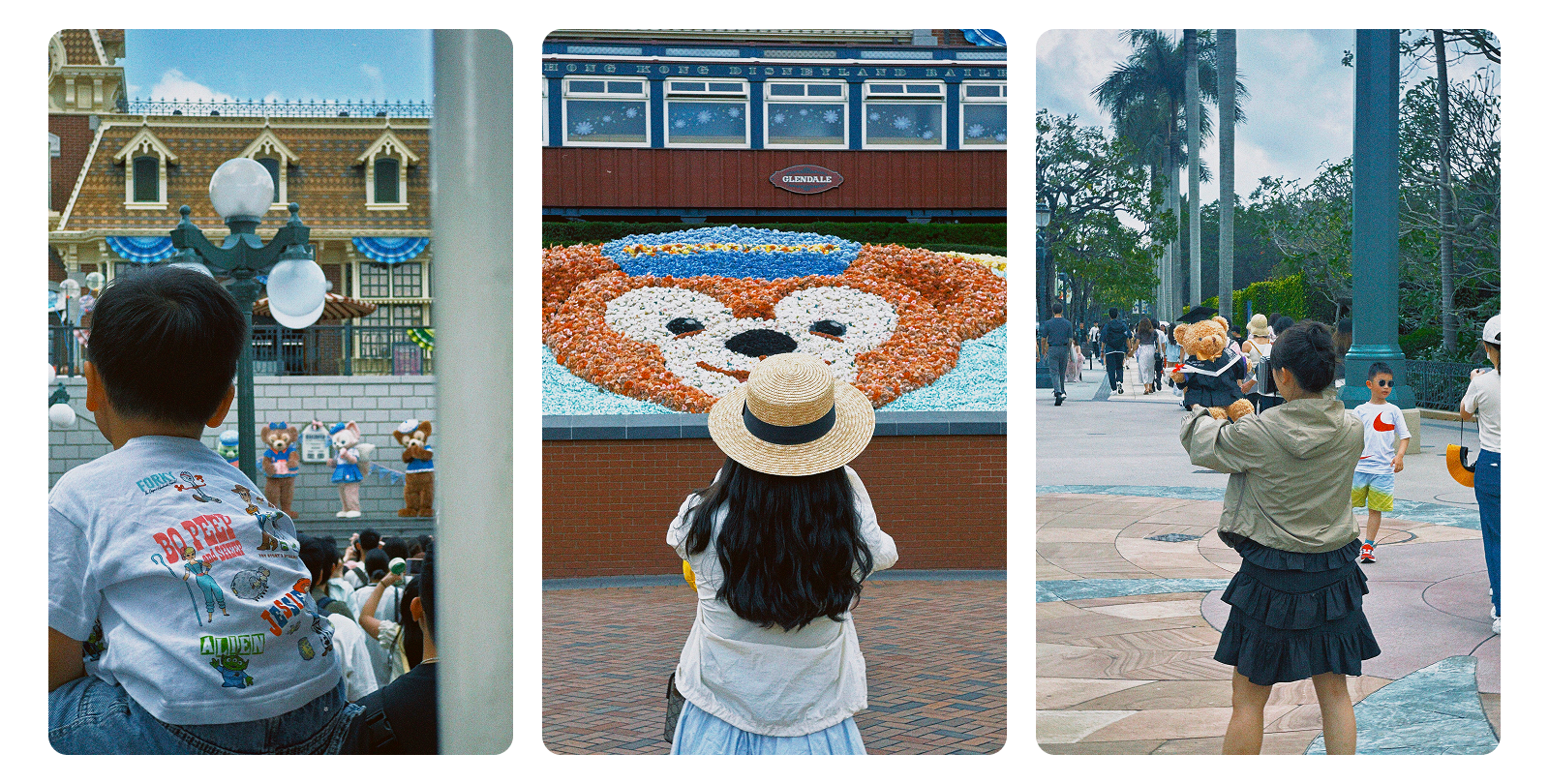
You'd be forgiven for not knowing who he is - I didn’t either. In fact, outside of Asia, Duffys presence is far smaller. But here in Hong Kong, as well as Tokyo and Shanghai, he’s a phenomenon.
Here’s the story: Before a sea voyage, Minnie Mouse hand-made Mickey a little bear with all her heart, to keep him company. Upon receiving it, he placed it into his duffel bag and said "I'll call you Duffy". Except… the magic didn’t quite start there.
Originally launched as “The Disney Bear” in Florida back in 2002, Duffy 1.0 flopped. Tinkerbell was said to have brought Mickeys teddy bear to life - cute idea, zero traction. But then came Tokyo.
Tokyo DisneySea rebranded Duffy in 2004, gave him his name, the new Minnie Mouse backstory, a sailor hat, and - crucially - a purpose. He wasn’t just a toy. He was a friend. A companion. A cuddly, soft and cute sidekick to keep you company. And Japan cared. A lot.
"You never hold your Duffy with him facing you … in Japan, you always hold him facing out because you want him to experience the park with you," ... "It's a very different way of thinking — of a friend, a companion." - Daniel Jue, a portfolio creative executive at Tokyo Disney Resort and Walt Disney Imagineering.
The park couldn’t keep him on the shelves.
Fans started dressing their Duffy’s up. Disney noticed. So they gave him a girlfriend - ShellieMay. Then over the next decade came Gelatoni, the artistic cat who paints with his tail. StellaLou, the aspiring ballerina bunny. CookieAnn, the baking dog. Olu Mel, the Ukulele-playing turtle. And LinaBell, a curious pink fox who solves mysteries.
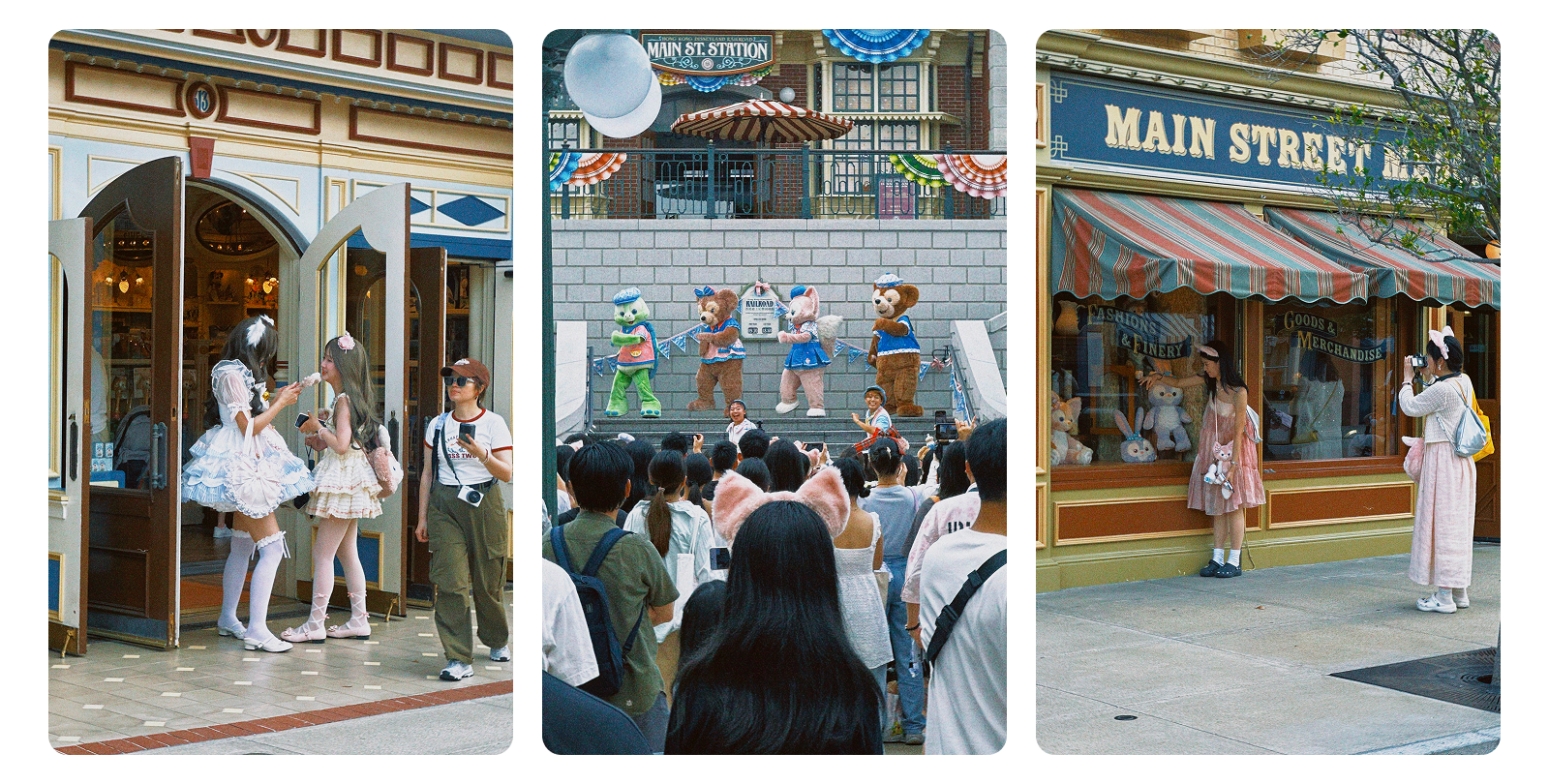
Today, Duffy and Friends are seven strong.
No movie. No TV show. Just vibes - and $500 million in merchandise sales in Asia in 2023 alone. That makes Duffy and Friends the highest earning franchise at Disney Parks in Asia.
That absolutely blew my Berkenstocks off.
How had I never heard of this massive Disney park moneymaker? One that was earning more in Disney Parks than Star Wars! And then came the more important question.
Why hadn’t I heard of this massive Disney park moneymaker?
I have been visiting Disneyland Paris since I was a kid - I’m no Disney aficionado - but I am a sucker for the magic and I have a personal attachment to the idea of a persons purpose being to create it.
In my few times to a western Disney Park - I hadn’t ever come across Duffy before. Neither had other westerners I have spoken to, until they arrived here.
Well it turns out, in 2010, Disney tried. Duffy made his way to California Adventure and EPCOT. He had meet-and-greets. Merchandise. Banners. The works. Disney attempted to capitalise on the growing cultural phenomenon by introducing him into the western parks under a "One Disney" theme-park initiative.
“This is really a model that we’ve not done before,” Dara Trujillo, manager of merchandise synergy and special events for Walt Disney Parks and Resorts.
But by 2015? Duffy was quietly shelved. Deprioritised. No more meet and greets. Limited space in stores (if any). Investment in his western presence - diminished.
Why didn't Duffy succeed in America?
Looking into what happened, I believe it comes down to two things;
Culture clash. Duffy's appeal is soaked in kawaii culture - Soft colours, cuteness, childlike play and simplicity. But western audiences tend to crave conflict, edge, adventure. Iron Man. Elsa. Woody. Vader. Moana. In that context, Duffy felt… soft. Out of place. Cute for the sake of cute. The story didn’t resonate.
Park presence. In Asia, Duffy isn’t just a toy. He’s woven into the DNA of the parks. There are shows, meet-and-greets in dedicated “Duffy Playhouses”, themed cafe’s, immersive experiences, and even exclusive merch drops that fans come to the parks and queue for like sneaker heads. In the west? He was a plush toy on a shelf with a meet-and-greet out in the park. No stage. No ownership. No heart.
So what can we learn from this bear in a sailor hat?
That stories aren’t universal - they’re cultural.
Just because something works in Tokyo doesn’t mean it’ll work in Orlando. People connect to what feels like theirs - their humour, their heroes, their emotional language.
And more importantly, we can’t expect a story to catch fire if we barely light the match. Great stories need space, attention, immersion and care. Especially if you’re trying to bring them to a new audience and create a wave of energy.
So maybe your product, initiative or campaign isn't falling short because it’s wrong.
Maybe you’re just not telling the right story, in the right way.